Graham Greene biography at QuotationFun

A Short Biography of Graham Greene

Author Name:

Graham Greene

Born As:

Henry Graham Greene

Other Names:

Born:

02 Oct 1904

Died:

03 Apr 1991


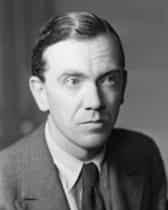
author picture
Author, playwright and literary critic                          
Selected Works:

The Empty Chair - 1926
The Man Within - 1929
The Name of Action - 1930 
Rumour at Nightfall - 1932
Stamboul Train - 1932, adapted as the film Orient Express - 1934
This Gun for Hire - 1936
Brighton Rock - 1938
The Lawless Roads - 1939
The Power and the Glory - 1940
Ministry of Fear - 1943
The Heart of the Matter - 1948
The Third Man - 1949 - novella, as a basis for the screenplay

The End of the Affair - 1951
The Quiet American - 1955
The Potting Shed - 1957
Our Man in Havana - 1958
A Burnt-Out Case - 1961
A Sense of Reality - 1963
The Comedians - 1966
Travels with My Aunt - 1969
A Sort of Life - 1971
The Honorary Consul - 1973 - made into a movie with Michael Caine and Richard Gere
The Human Factor - 1978
Dr. Fischer of Geneva or the Bomb Party - 1980
Ways of Escape - 1980 - autobiography
Monsignor Quixote - 1982
Getting to know the General - 1984
The Captain and the Enemy - 1988
Getting to Know the General - 2000

Poetry:
Babbling April - 1925

Travel book:
Journey Without Maps

Pamphlet:
J'Accuse — The Dark Side of Nice - 1982                                              
Mother Marion Greene, née Raymond
Father Charles Henry Greene, six children, Henry being the fourth child.
Wife Vivien Dayrell-Browning, two children.                                              
                                              
Greene objected strongly to being described as a Catholic novelist rather than as a novelist who happened to be Catholic, Catholic religious themes are at the root of much of his writing, especially the four major Catholic novels: Brighton Rock, The Heart of the Matter, The End of the Affair and The Power and the Glory.

Posted to Sierra Leone during the Second World War. Kim Philby, later to be revealed as a Soviet double agent, was Greene's supervisor and friend at MI6.

The question is, "Was Graham Greene a novelist, who also was a spy, or a spy, for whom a life-long novelist's career was the perfect cover.

Greene converted to Catholicism in 1926, described in A Sort of Life and baptised in February the same year. In 1948 Greene abandoned Vivien. He had affairs with a number of women, yet remained married.

Greene's film review of Wee Willie Winkie, featuring nine-year-old Shirley Temple, cost the magazine a lost libel lawsuit. Greene's review claimed that Temple displayed "a dubious coquetry" which appealed to "middle-aged men and clergymen".